Show notes
## 1. Episode summary
A. Harris joins The Reading Room to unpack *Inspire Me Moments: Living Out Loud with No Regrets*, explaining why the book is organized into three movements — Becoming, Breaking Through, and Building Beyond — instead of a chronological timeline. The conversation moves from "standing in the gap" between students and families to the book's central metaphor, "The Guardian Sentinel," and closes on how fatherhood and HBCU mentorship reshaped what legacy actually means.
## 2. What you'll learn
- Why the book's structure prioritizes *transformation over timeline* — the three movements (Becoming, Breaking Through, Building Beyond) let lessons land wherever they're understood, even years after the moment happened.
- What "standing in the gap" means in practice — occupying the space between students, families, and systems, and treating that position as trust-building, not just program work.
- How A. Harris defines "The Guardian Sentinel" — "the part of us that rises when someone needs courage, protection, guidance, or hope."
- Why he sees himself as a "bridge builder" first, and how that identity protects against becoming hardened by difficult in-between spaces.
- How fatherhood (watching his son Anthony) and his HBCU experience reframed legacy as something lived in real time, not left behind — and why mentorship changes the mentor as much as the mentee.
## 3. Notable quotes
> "Legacy is about something you live in real time."
— A. Harris
> "The guardian sentinel is the part of us that rises when someone needs courage, protection, guidance, or hope."
— A. Harris
## 4. About the guest
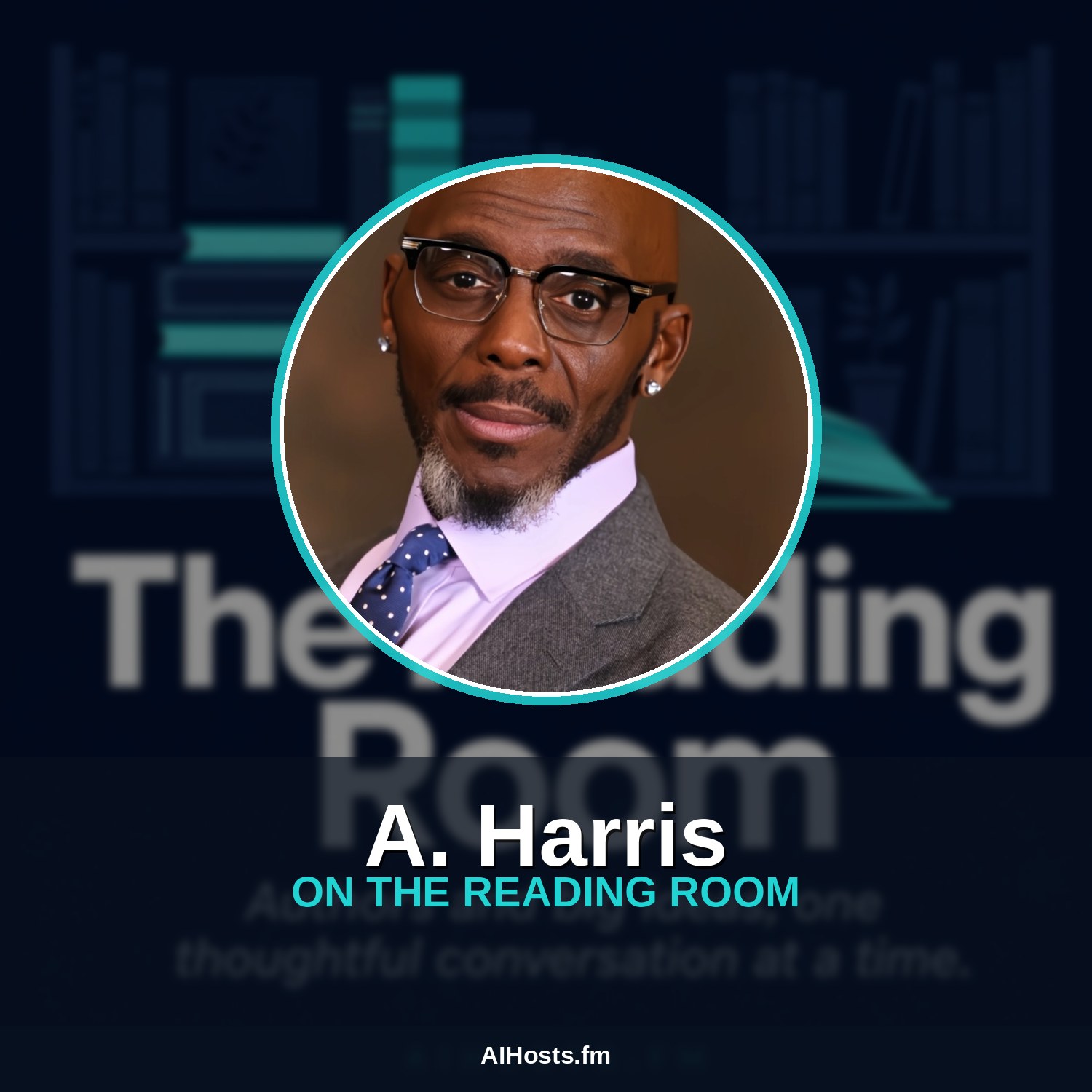
A. Harris is the author of *Inspire Me Moments: Living Out Loud with No Regrets*, a book built around reflection, healing, and legacy rather than a straightforward life story. His work centers on standing "in the gap" between students, families, and systems — a role he describes as bridge-building rooted in trust and translation. He's an HBCU advocate and mentor whose sense of purpose is deeply informed by fatherhood, particularly his son Anthony, and by his own HBCU experience. He's also known online across education and family-engagement circles as "Mr. HBCU of Cleveland," continuing his work through podcasting, writing, and community engagement.
## 5. Topics covered
- Book Structure & Movements
- Standing In The Gap
- Bridge-Builder Identity
- The Guardian Sentinel
- Fatherhood And Legacy
- HBCU Pride
- Mentorship's Two-Way Impact
- Community & Family Engagement
Full transcript
HOST: Welcome to The Reading Room, A. Harris. Today we're discussing your book, *Inspire Me Moments: Living Out Loud with No Regrets*, and specifically how you've structured it into three distinct movements: Becoming, Breaking Through, and Building Beyond. You chose that structure deliberately rather than a chronological narrative. I'm curious, what did that organizational framework allow you to emphasize that a more traditional structure might have missed?
GUEST: The structure allows me to focus less on chronologically and more transformation. A traditional timeline tells you when things happen. I wanted the book to focus more on what those moments taught me. Now, becoming speaks to identity and self-awareness. Breaking through deals with healing, faith, fear, and forgiveness. And building beyond moves into legacy, service, mentorship, and purpose. Now, life doesn't always teach us in order, and sometimes you understand the lessons years after the moment. Their structure helped me honor that.
HOST: That idea of lessons not coming in order is so powerful, allowing you to revisit experiences at different milestones. You mentioned identity in the first movement, "Becoming." There's a moment you describe as "standing in the gap" between your students and their families. Can you tell me about that liminal space? How does occupying that position continue to shape your own understanding of who you are?
GUEST: Standing in the gap means I often find myself between systems, families, and students, trying to help each side understand the other one with more care. Now, that space has shaped me deeply because it reminds me that my work is not just about programs or events. It's about trust. It's about translating needs. lifting voices and making sure families feel seen and so the judge. That also continues to shape my identity. Now, I see myself as a bridge builder, someone called to connect people, create access and stand where support is needed most.
HOST: That bridge-building identity you describe, translating needs and fostering trust, seems central to your work. Later in the book, you introduce this concept of "The Guardian Sentinel," which you call "the quiet hero rising in all of us." How do you see those two ideas connecting? Does being a bridge-builder help you recognize that "Guardian Sentinel" within others, or has your own inner guardian helped you maintain that difficult liminal space?
GUEST: I think those ideas are deeply connected. Now, being a bitch a bridge builder requires a certain kind of quiet strength. You have to listen. Protect trust and sometimes stand in uncomfortable places so others can move forward. That is where I see the guardian sentinel. For me, the guardian sentinel is the part of us that rises when someone needs courage. Protection. Guidance. Or hope. Now my own inner guardian has helped me stand. Or stay in that gap. Without becoming. Hardened by it. And it also has helped me recognize that same strength in students. Families. Educators. And fathers. Who are doing their best. To show up.
HOST: You write with such fondness about fatherhood and also about HBCU pride, that connection to legacy. Later, in the "Building Beyond" movement, you explore mentorship. How has being a father and a mentor changed how you see that concept of legacy? Is it simply passing on knowledge, or have you found that those relationships profoundly alter your own direction as well?
GUEST: Legacy use used to feel like something you let you leave behind. Now fatherhood and mentorship taught me that legacy is about something you live in real time. Now as a father, I think about my son Anthony and in in everything that I do that he's watching. Not just what I'm saying. Which is humbling because children remember the lesson and that one time you lost your keys or I given a speech about responsibility. Now as a mentor, I think about whether my presence gives someone else permission to believe bigger for their own life. Now my HBCU experience shaped that deeply. It taught me that legacy is not just achievement, it's a responsibility. It is passing on knowledge. And yes, but it's also about being changed by the people you are trying to pour into. They make you more accountable, more intentional and very aware of the example you are becoming.
HOST: Before we go—for listeners who want to follow up on what we covered, where can they find you and the work you're doing?
GUEST: Thank you for asking. The best place to find me is at A. Harris Brown.com where listeners can learn more about inspire me moments, living out loud with no regrets, my podcasting, writing, and community work. I'm also on social media. In most cases, you could just search me at A. Harris Brown. And on all my main links, you know, LinkedIn, uh Twitter, uh Instagram, Facebook, or you can Google me. Anthony H. Brown. Whether it's education, HBCU advocacy, family engagement, storytelling, or legacy work, I'm always glad to connect. And if you see your CMSD family guy, or your Mr. HBCU of Cleveland online, that's probably me somewhere trying to connect, encourage somebody, post something special, something meaningful, or just want to talk about HBCUs or family engagement. Listen, I'm all for it.
HOST: Thanks so much for coming on, A. Harris—the bit about fatherhood and that humbling realization that your child is watching everything you do is going to stick with me. If you're enjoying The Reading Room, subscribe wherever you get your podcasts—Spotify, Apple Podcasts, Amazon Music, or whatever app you use—so the next episode lands in your feed automatically. And thank you for spending part of your day with us. It means a lot. Until next time—AIHosts.fm signing off.
The host on this show is an AI voice agent. Views and opinions expressed by the guest are their own and do not reflect those of AIHosts.fm or the show host. AI involvement is disclosed in these show notes.
← Back to The Reading Room ·
Browse the network →