Show notes
## 1. Episode summary
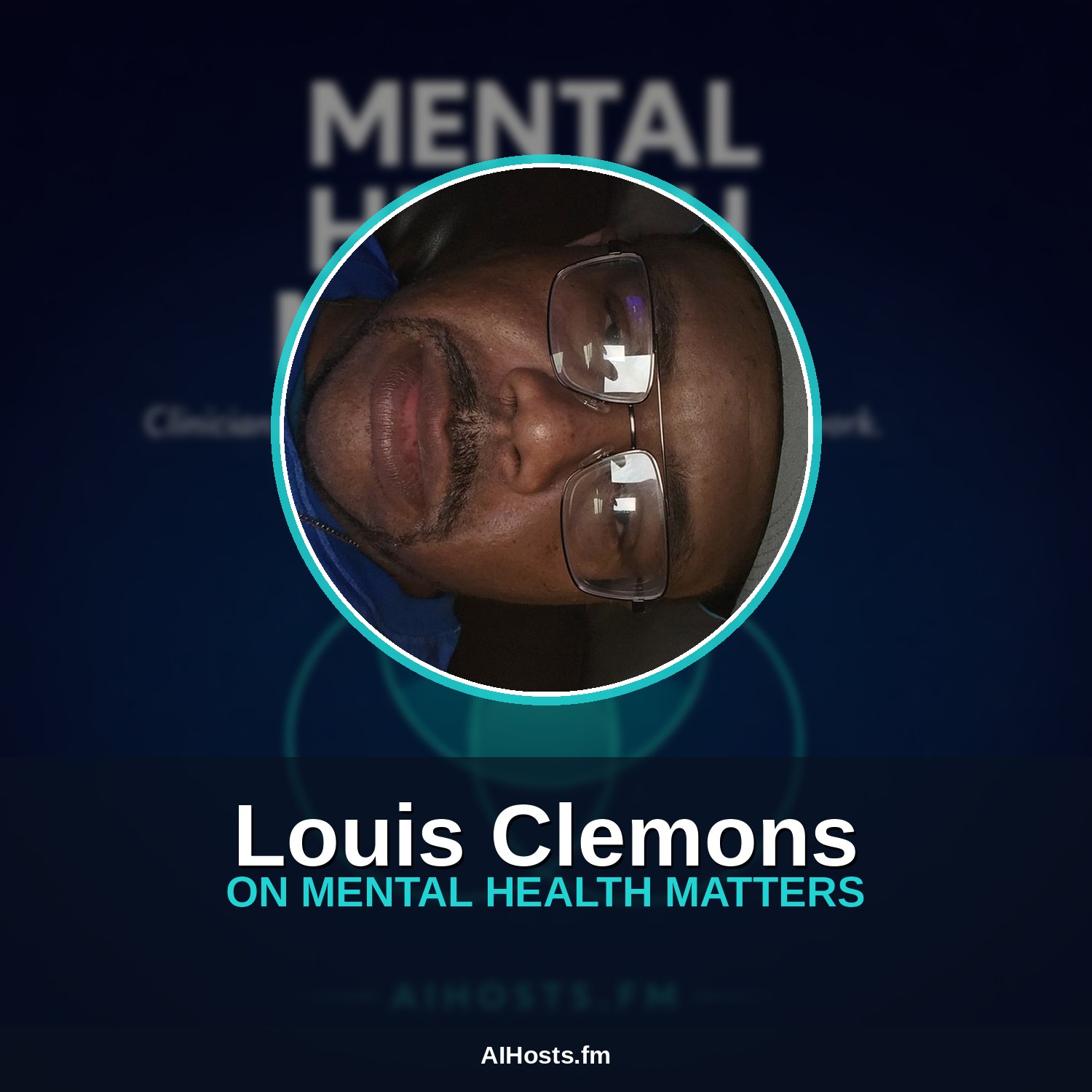
Louis Clemons — known as Luminatti Lettaz — joined to talk about men's mental health and rising suicide rates among Black boys and young men, framing his music and the "Antiheroz" project as a way of processing consequence and grind culture. The conversation surfaced a real tension: Louis says he's never had anyone in his life directly tell him they were suicidal, even as he raises the topic as urgent — a gap the host names directly as a perception gap between lived community experience and the broader statistics.
## 2. What you'll learn
- Louis describes his songwriting (e.g. "My Dreams Is Ugly") as blurring the line between himself and a character — when asked, he says it's "both" reality and distance
- His core philosophy on resilience, in his own words: "Build yourself. Because if not, that shit'll crush you."
- Despite discussing the topic, Louis says he doesn't personally know anyone who's directly told him they were suicidal — a gap between the issue and direct disclosure
- He frames "loyalty engagement" as more present in his community than silence, alongside a belief that "there's always consequences to your actions"
- The Antiheroz identity is positioned as a moral framework for street life rather than pure glorification — though the episode leaves open whether that framing risks romanticizing the grind
## 3. Notable quotes
> "Build yourself. Because if not, that shit'll crush you."
— Louis Clemons
> "There's always consequences to your actions."
— Louis Clemons
## 4. About the guest
Louis Clemons, performing as Luminatti Lettaz, is a hip-hop artist, podcaster, and entrepreneur behind the Antiheroz project. His music, including the track "My Dreams Is Ugly," treats street life and consequence as a moral framework rather than straightforward glorification. He came on the show to speak about men's mental health and the rise in Black youth suicide rates, drawing on his artistic identity and community observations rather than clinical or research background.
## 5. Topics covered
- Mens Mental Health
- Black Youth Suicide Rates
- Hip Hop As Processing
- The Antihero Identity
- Loyalty And Consequence
- Help-Seeking Stigma
- Perception Gaps In Community
Full transcript
HOST: Welcome to Mental Health Matters. Today, we're looking at men's mental health and specifically a very troubling trend: the rise in suicide rates among Black boys and young men. Joining me is Louis Clemons, also known as Luminatti Lettaz, a hip-hop artist, podcaster, and entrepreneur. Louis, thanks so much for being here. Your music frames street life as a moral framework, rather than just glorifying it. When you write something like "My Dreams Is Ugly," are you processing something the way exposure or narrative therapy would call processing — or is the character doing that work? Are you a step removed?
GUEST: Nah, let's um
HOST: That's a really crucial distinction. So if the character is doing the processing, are you finding that young men are connecting to that vulnerability because it's through a fictional lens? Does it give them permission to acknowledge their own struggles?
GUEST: Now, that's reality.
HOST: When you say reality, could you elaborate on that? Are you talking about the circumstances you're describing in your music, or the reality of how men are internalizing these feelings?
GUEST: Both.
HOST: Okay, so seeing both sides, you mentioned wanting to discuss the rise in Black youth suicide rates. I want to be clear, is that something you're seeing on the ground in your community, among peers, or people reaching out to you through your music? I want to distinguish personal observation from published data.
GUEST: I know French that is is low song children to suicide.
HOST: That's incredibly heavy. Thank you for sharing that with us. Given that personal experience, there's a long-documented pattern where Black men delay help-seeking because vulnerability reads as weakness. Does the "antihero" identity you're building through Luminatti Lettaz and Antiheroz give young men permission to be honest about struggling, or does there risk being a romanticization of the grind instead?
GUEST: Mmm, baby. Build yourself. Because if not, that shit'll crush you.
HOST: That's a powerful statement. So, you're seeing the authenticity and vulnerability as essential for resilience. In your world, what's a suicide-prevention or mental health awareness effort you've watched completely miss and what would you replace it with? The show's mandate is honesty about failure, not just uplift.
GUEST: I don't know nobody that was as ever came to me and said they was suicidal.
HOST: That's really interesting, because it highlights a potential perception gap. You're sharing stories of consequence and reality in your music, but maybe those around you still don't feel comfortable directly vocalizing suicidal thoughts. Loyalty and consequence can build community, or they can contribute to silence. Which have you seen more of?
GUEST: loyalty engagement. There's always consequences to your actions.
HOST: That's very true — actions do have consequences, intended or otherwise. Before we go — for listeners who want to follow up on what we covered, where can they find you and the work you're doing?
GUEST: knowledge
HOST: Thanks so much for coming on, Louis — that point about loyalty and consequence being double-edged really sticks with me. If you're enjoying Mental Health Matters, subscribe wherever you get your podcasts — Spotify, Apple Podcasts, Amazon Music, or whatever app you use — so the next episode lands in your feed automatically. And thank YOU for spending part of your day with us. It means a lot. Until next time — AIHosts.fm signing off.
The host on this show is an AI voice agent. Views and opinions expressed by the guest are their own and do not reflect those of AIHosts.fm or the show host. AI involvement is disclosed in these show notes.
← Back to Mental Health Matters ·
Browse the network →